
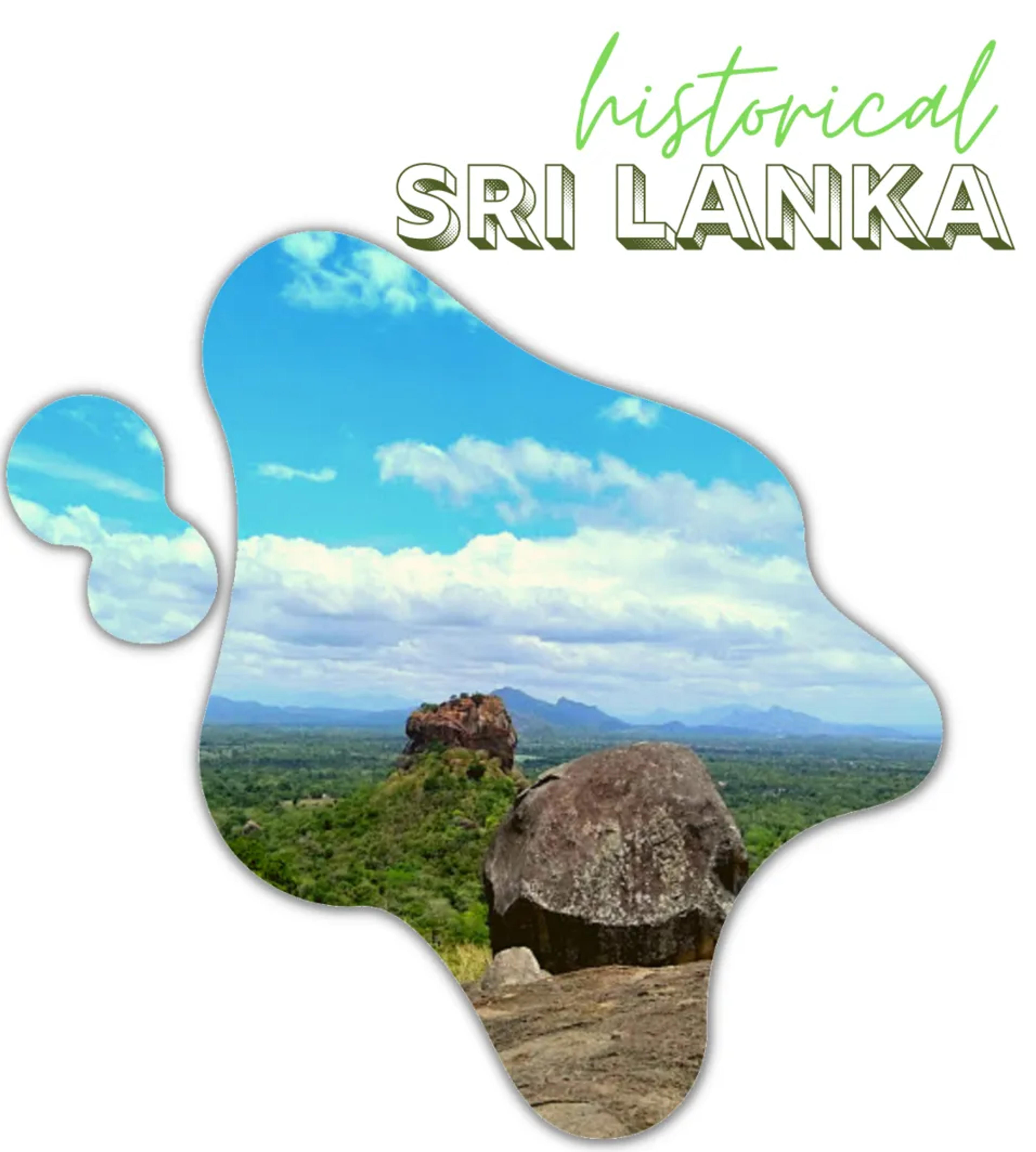
Did you know that Sri Lanka has a documented history of around 3000 years! Plus there are traces of prehistorical settlements that date back over 120,000 years. There are countries older than the island sure, but Sri Lanka’s history is no less fascinating for being relatively… middle-aged-ish. And the ruins of historical Sri Lanka are utterly magnificent.
If you are ever in Sri Lanka and want to just embrace its past, you can.
The island is not that large. In fact, you can travel its length from north to south in 24 hours. But if you want to discover historical Sri Lanka, you need more than one day. Scroll down to see what you can do with two weeks in Sri Lanka. And don’t worry. You won’t be stuck in the past the entire time. Most of these historical sites are close to other attractions. Some are near stunning beaches. Some stand just a hop, skip and a jump away from sneaky hiking trails winding around soaring mountains. Meanwhile, others are close to national parks.
So you can take time away to have fun elsewhere during your fourteen days in Sri Lanka. It’s just a matter of planning your day.
But for now, let’s plan an itinerary exclusively to tour historical Sri Lanka in two weeks!
A seven-day itinerary that delves into historical Sri Lanka
One week is just enough time to cover some of the well-known historical places in Sri Lanka. But of course, there are always more places to explore. These less popular destinations are harder to get to because they are usually out of the way, and easy to overlook unless you know what they are and where to find them.
Whether the destination is popular or not, you can be sure to hear some epic legends that surround the site. Perhaps, on another visit, when you are more familiar with the island, you can look them up!
Day 01
After touching down in Sri Lanka, you probably need time to get used to the new time zone. Depending on when you arrive and where you choose to stay, you can still start your tour with a bang.
Why? Because not all historical sites in Sri Lanka are simple ruins. And if you choose to stay in Negombo, closer to the BIA, there are some lovely ancient churches and the ruins of a fort you can visit.
Negombo and history lovers
- Negombo Dutch Fort
- St Mary’s Church
- Sri Singama Kali Amman Kovil
- Dutch Clock Tower
You can explore the historical parts of Negombo in one day. So depending on when you arrive in Sri Lanka, and if you plan to rest in Negombo on that day, you can tour the area.
Since the Negombo Dutch Fort and the Dutch Clock Tower belong to the same attraction, head there first. The fort, unfortunately, does not come close to the grandeur of the Galle Dutch Fort. It’s rather derelict and the British at one point converted it into a holding cell for prisoners. So much of the original structure is lost. But as one of the few ruins in Negombo, it is still worth a visit.
You will find the Dutch Clock Tower closer to the ruined ramparts of the fort. Like its neighbour, it too has not aged gracefully. What remains of the once most-likely-imposing tower is a sad ruin. Even so, it also has its place in historical Sri Lanka and adds to the island’s past.
When you are in Negombo, is’ pretty impossible to avoid travelling down Grand Street – one of the major streets that run through the town. That being the case, you’ll notice a beautiful Roman Catholic church by the side of the road. While people often refer to it as the ‘Grand Street Church’, it is officially St Mary’s Church. The neoclassical church is one of the largest cathedrals on the island.
The church belongs to colonial Ceylon. Yet, it also is more modern than the word ‘colonial’ might imply. This is because construction work began in the early 1870s. But there was a significant break between starting construction and finishing it. So when the church finally opened its doors in 1922, the island was just 26 years away from reclaiming its independence!
Historical Sri Lanka has its fair share of religious places. And Negombo is no stranger to religious places. Although the majority of its places of worship are Catholic, Buddhist, Hindu and Muslim places of worship also co-exist in harmony in the area. One of these, a Hindu Kovil is yet another place that history lovers would not want to miss out on.
The beautiful Sri Singama Kali Amman Temple is pure art. From its colourful exterior to the serene interior, the kovil offers aesthetically pleasing sights. Within this beautiful kovil resides idols of Hindu deities, including God Ganesh, for whom the kovil is dedicated.
A jaunt to Kandy
Next up, travel to Kandy. This is yet another one-day trip and you can make an adventure out of it. Especially if you are travelling with kids on the train!
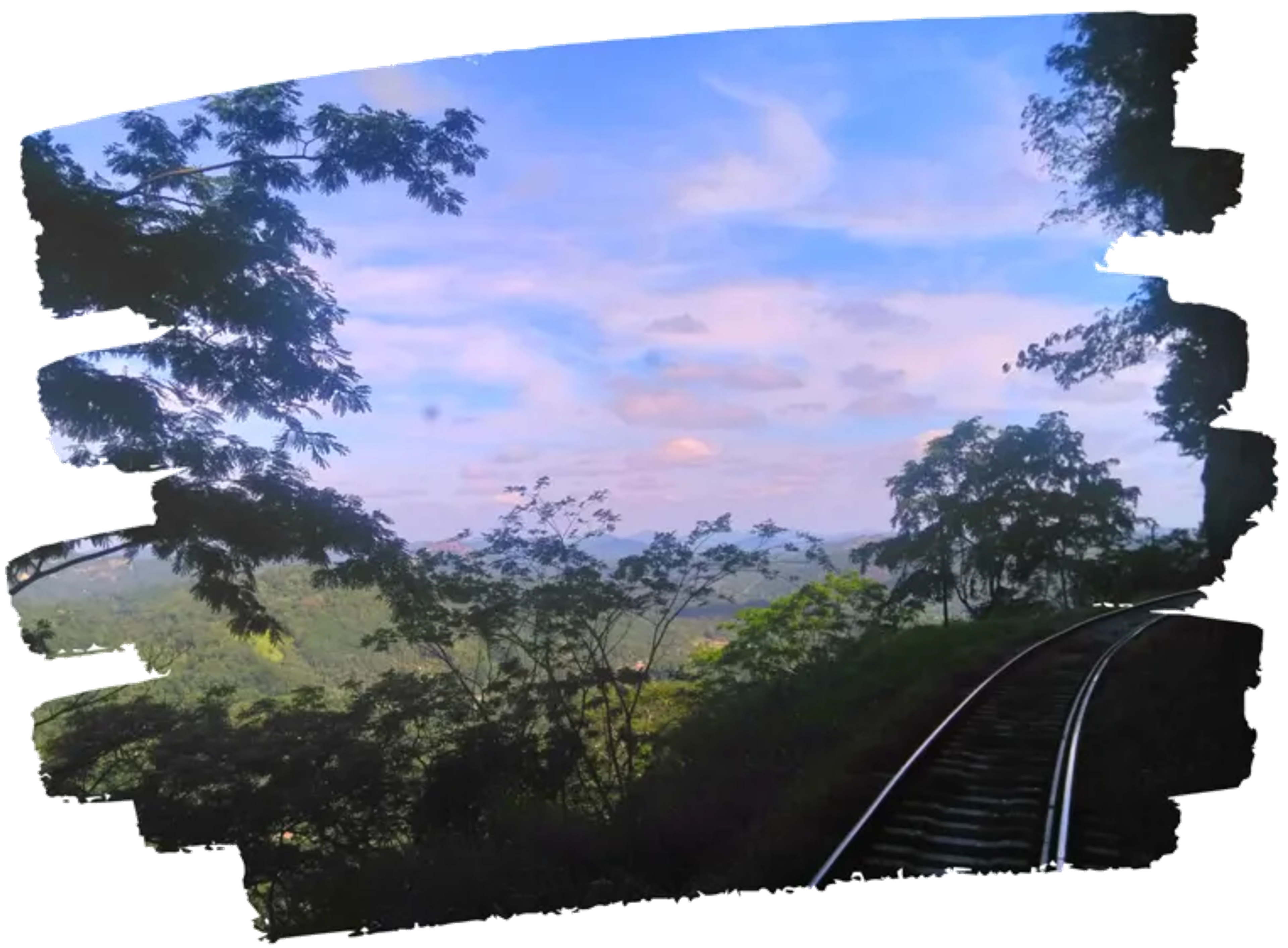
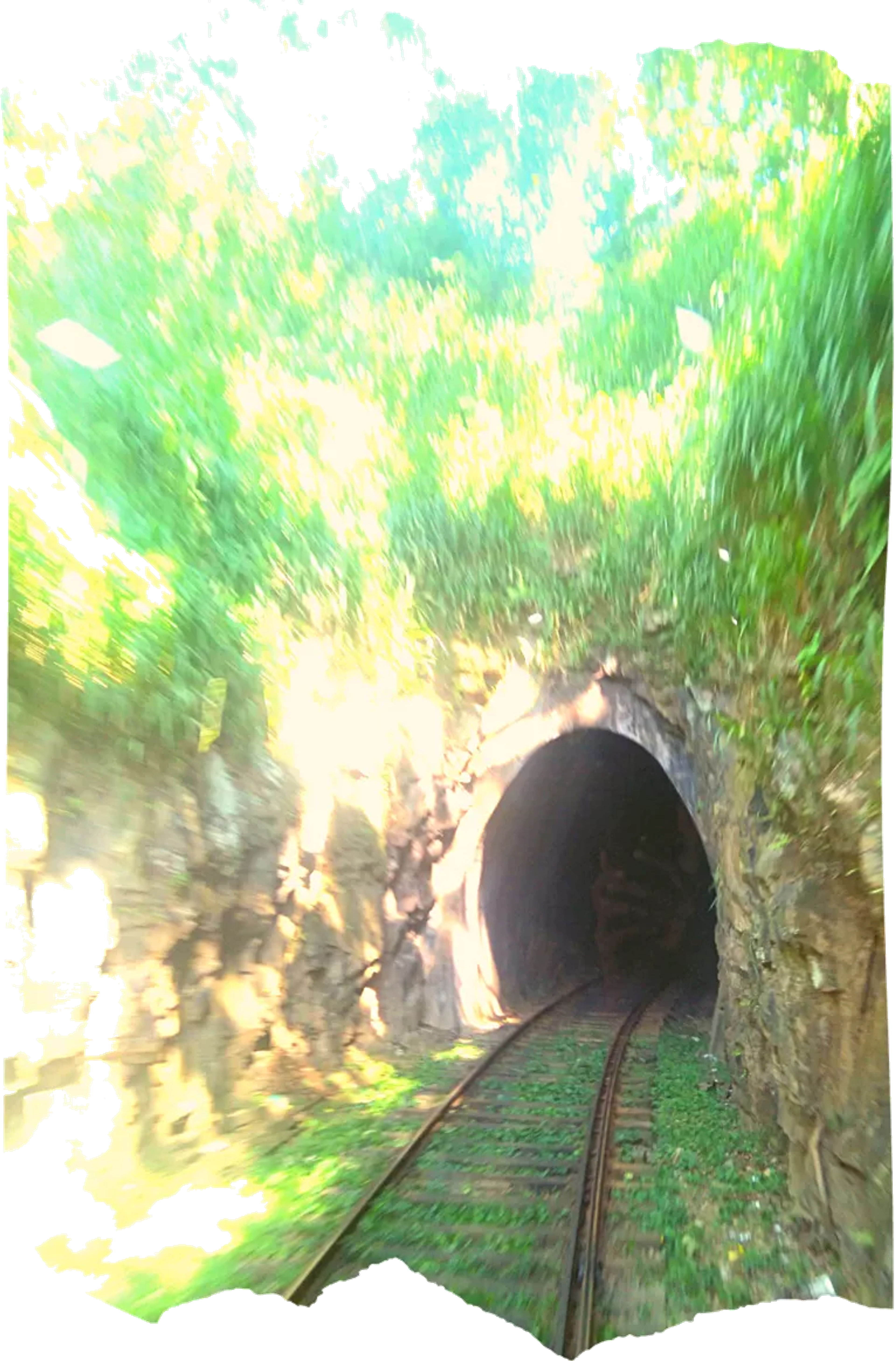
Once the train takes you to Kandy, the most popular place to visit is the Kandy Temple of the Tooth Relic. It also happens to be a place with significant historical importance for Sri Lanka. The Sacred Tooth Relic of the Buddha alone has an incredible story. The building and its grounds also add to the rich history that surrounds Kandy. For instance, do you know that the present structure is not even the original Temple of the Tooth Relic in Kandy? Unfortunately, the first temple, built by King Wimaladharmasuriya the first (1592 – 1604), didn’t survive the skirmishes with the Portuguese. Successive kings built different temples and kept adding wings until the present Temple of the Tooth Relic came into being.
There’s an open-air wooden pavilion on the grounds as well. This is where the king met with his ministers. As the Royal Audience Hall, many important historical events took place at this pavilion. One such event is the signing of the Kandyan Convention in 1815 between Kandyan chiefs and the British. By signing this document, the Kandyan kingdom came to an end.

Anuradhapura bound
If you want to explore all things historical Sri Lanka, you have to visit Anuradhapura!
It’s not a one-day trip. You need at least two days to do the ancient capital of Sri Lanka justice. Luckily, you are still on day three of your two-week holiday. Best of all, if you spent the night in Kandy, you can still take the train to Anuradhapura from there!


There’s a lot to see and do in Anuradhapura. Grab yourself a bicycle and you are good to go. Anuradhapura is all about ancient temples, crumbling ruins of palaces and deep artificial lakes. And monkeys. One can never forget about the monkeys in Anuradhapura.
These adorable mischief-makers are expert thieves. Never leave anything you value out in the open unattended, especially food. You’ll come back to see your belongings ransacked and scattered around!

The best times to explore Anuradhapura are in the early morning or late afternoon. Towards noon, it is far too hot to go outside comfortably, so this is your time to rest. Pack light clothing that covers your knees and shoulders, however. You’ll be visiting a lot of temples and there is an informal dress code of sorts.
Towards Jaffna
From Anuradhapura, you can take the train to Jaffna. You can take the train directly from Colombo to Jaffna, of course. But the train ride can take some ten hours in total. So breaking the journey at Anuradhapura to explore is a better option.
Two days is not enough to fully enjoy Jaffna. But there are still many other historical sites to explore in other parts of Sri Lanka. So let’s try to squeeze in as much as possible.


Be sure to check out the beautiful Jaffna Library while in Jaffna. You may not check out a book, but its architectural beauty and historical value are sure to impress you.
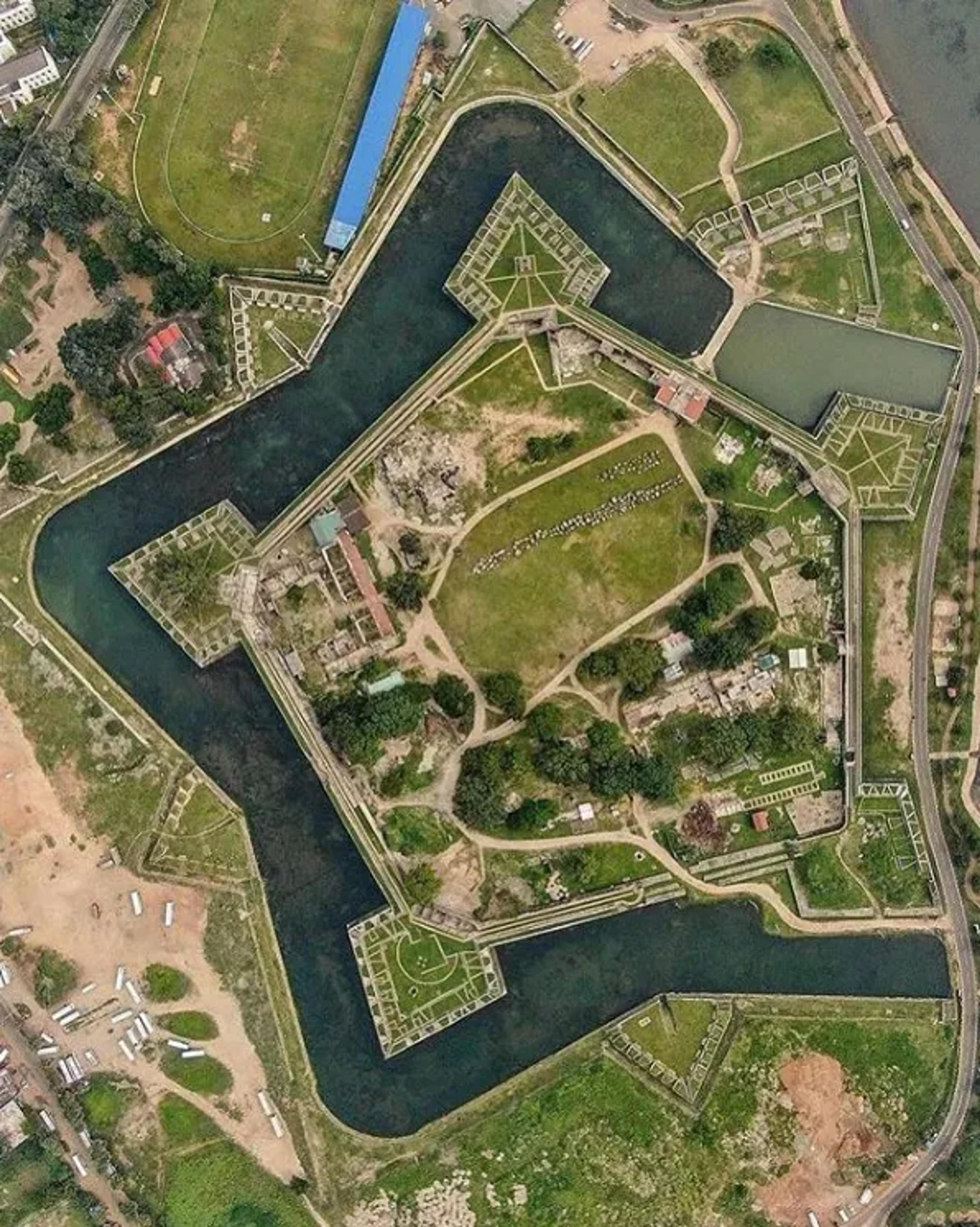
The star-shaped Jaffna Fort is another historical site that you have to visit. The Dutch fort and surrounding moat are in excellent condition. From any one of its pointed bastions, you can enjoy stunning views of the flat landscape.
On the second day, you can take a boat to visit one of the many tiny islets scattered near the peninsula. Each has unique diversions. For instance, Nagadeepa is a deeply spiritual place and provides the backdrop for significant religious events. On the other hand, Delft Island, the land of wild ponies, contains the striking ruins of a fort dating back to the colonial era.
Even a modern, fully westernised city like Colombo still has stunning historical venues and buildings you can enjoy. So on your last day, make sure to take the time to enjoy the city, before departing to the airport!
Places to visit in Colombo for the history buff
- Colombo National Museum
- Independence Square
- Colombo Lighthouse
- King Sri Wickrama Rajasinghe’s Prison Cell
- Khan Clock Tower
- Chatham Street Clock Tower
All of these historical places remain more or less in a small area of Colombo. You can definitely hit up most of these sites in one day. I would suggest starting off with the Colombo National Museum since that would take the most time. There are historical artefacts that date beyond Sri Lanka’s documented history displayed within. The museum also contains galleries dedicated to armour and weaponry, textiles, portraiture, agriculture, and so on.
Although Independence Square is the closest to the Museum, go to Khan Clock Tower next. You won’t spend too much time there since it sits in a busy neighbourhood. Afterwards, go to the next clock tower at Chatham Street. The beautiful clock tower is amazing against the more modern buildings. If you have time, you can even visit the Central Point – Economic History Museum.
From Chatham Street, you can easily walk up to the tiny prison cell that allegedly held Sri Lanka’s last king captive. Its true purpose was more along the lines of a guardroom. However, it is now a monument to the place where the king stayed before sailing to exile in India. It’s an unremarkable building that you can miss, so keep an eye out. And Google images of the location so you can recognise it because I doubt a lot of locals would realise what it is.
The lighthouse is next. It’s easy to walk there from where you are. Or you can take a tuk-tuk. Finally, circle back to Independence Square.
Other less-visited historical places you can visit
There are other historical places in Sri Lanka that you can visit. Mahiyanganaya, for instance, is a fantastic option to explore the island’s history. Somawathiya is another destination where you can learn more about the island’s religious history.
Another less-visited destination is Kotmale. The beautiful landscape, reservoir and temple are all worth the visit. If you travel there during the dry season, when the water levels of the reservoir are low, you can even spot an old abandoned village.


