For someone who doesn’t know about Mahiyanganaya, the small town might sound boring. But, luckily, there are plenty of things that stop the area from deserving that adjective!
Are you doing research on where to travel in Sri Lanka while on vacation? Well then, Mahiyanganaya will most likely not show up on any Google search results. There are other areas that are more “touristy”. But, the town doesn’t need glamour to stand out.
If you ask a Buddhist, they will discuss its importance for the religion in Sri Lanka. If you ask a humble farmer, they will explain the local agricultural traditions. Ask a historian, and you will get a detailed account of its historical significance. And, if you are lucky enough to meet an indigenous person, they will speak with pride about their home.
So, here is the Mahiyanganaya that a lot of tourists miss out on.

Where is Mahiyanganaya and why is it important?
The town sits close to the bank of the Mahaweli River (the longest river in Sri Lanka) in the Badulla District. On the first of his three visits to Sri Lanka, Buddha visited Mahiyanganaya. The reason for the visit was to settle a dispute between two rival tribes.
Afterwards, he preached Dhamma to a local leader called Sumana Saman. He also received several hair relics from Buddha so that locals can continue to worship. Later on, he built a stupa that enshrined the hair relics. Buddhists believe that Sumana Saman is now a guardian deity of Buddhism in Sri Lanka.
Mahiyanganaya is also remarkable for another unique reason. There is a settlement of an aboriginal tribe about 19 kilometres away from the town. The Sri Lankan indigenous people are called Vedda. They still preserve traditions passed down from their ancestors. They do give visitors the opportunity to get a peek into their lives and learn about their culture and traditions.
Mahiyanganaya is also an agricultural area. Its farmers provide a significant amount of the rice that the islanders consume.

An enchanting landscape
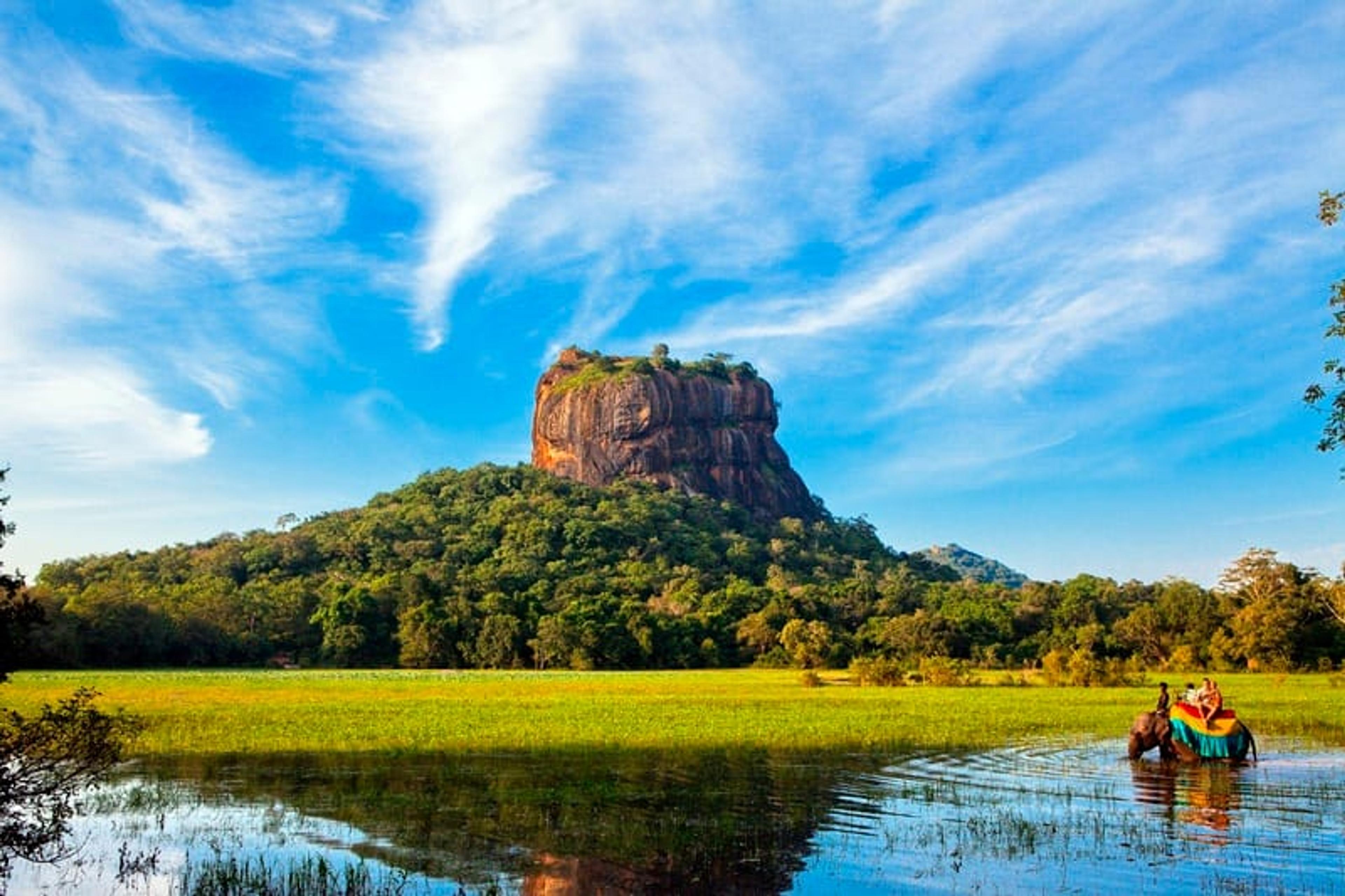
The Badulla District is a part of Sri Lanka’s Central Highlands. As a result, Mahiyanganaya is insanely beautiful. The land itself is flat and wide open. So at any point in time, you can look up into the distance and see the towering Knuckles Mountain Range and other peaks in the area.

The soil in this area is incredibly fertile. So agriculture is a big part of the locals’ lives. The paddy that they grow nurtures thousands of Sri Lankans.
But paddy fields also provide a gentle contrast to the solidness of the mountains.
Waterfalls, reservoirs and rivers
Yes, these are also a part of the landscape. But they do deserve their own section.
Agriculture is the biggest economic activity here. So having the Mahaweli River so close is a blessing for Mahiyanganaya. Rather than getting the water directly from the river, however, they’ve built reservoirs and lakes.
For instance, Loggal Oya is a 27-kilometre-long waterway that feeds a reservoir by the same name. It’s a beautiful place to enjoy trekking or cycling. You can even go on a boat ride. The abundance of water attracts many animals, among them, the most frequent being different bird species. If you bring along a pair of binoculars, you can even spot some endemic, residential and migratory birds!

Then there is the Rathna Ella. The 14th highest waterfall on the island, it has a height of 101 metres. While its height might not impress you, the waterfall, the wide cliff face from which it tumbles and the verdant greenery is an impressive combination.
Rathna Ella is in Hasalaka, a town almost three hours away from Mahiyanganaya. But the drive is so worth it. The route takes you through the Central Highlands. So you will get to enjoy a variety of scenery with the promise of a waterfall at the end.
Two national parks within easy distance
Mahiyanganaya is a central hub for many tourist destinations. Two of these destinations are national parks.

Maduru Oya National Park (Image Credit: Vathsala Karunanayake)
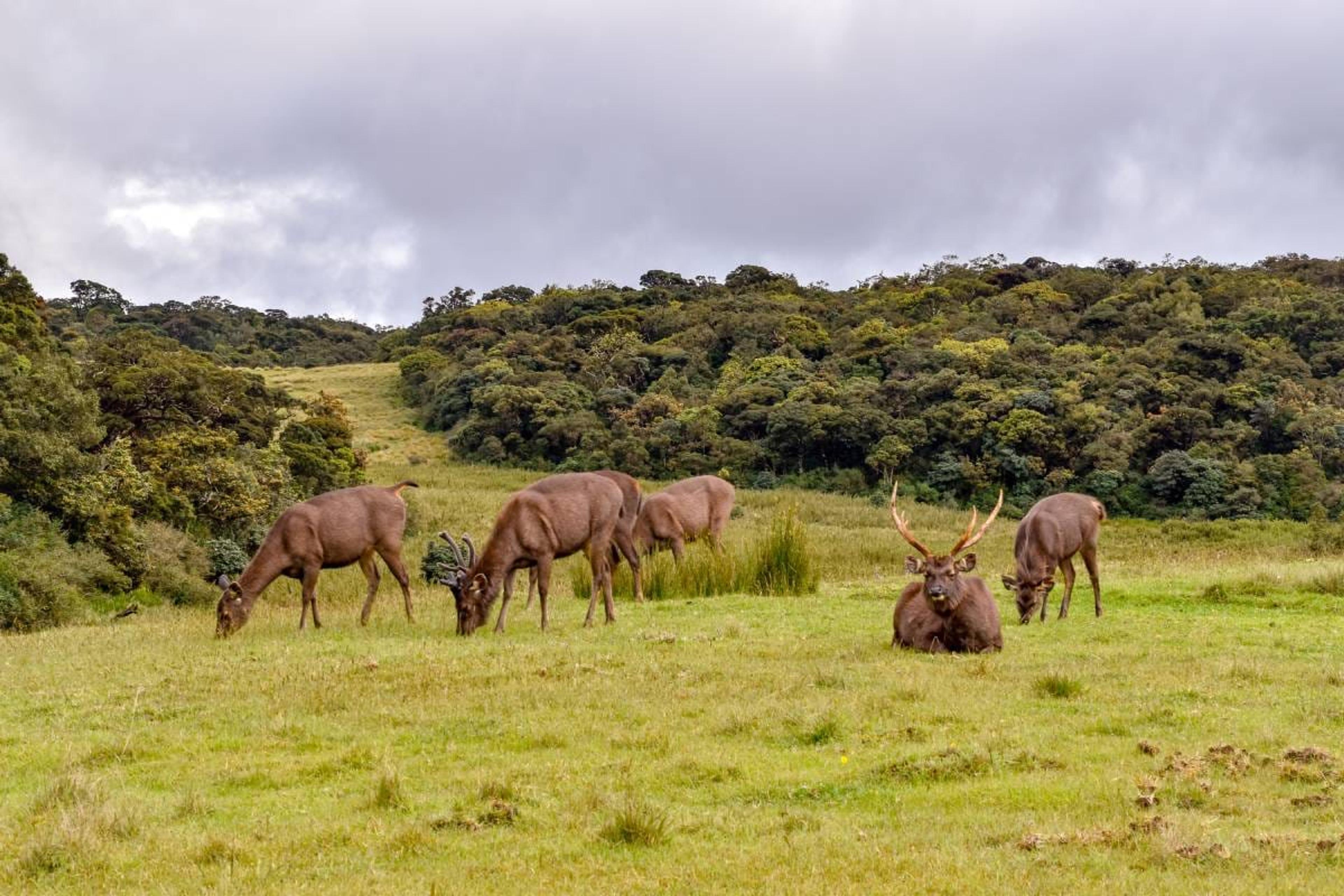
The Maduru Oya National Park is about one and a half hours away from Mahiyanganaya. Meanwhile, Wasgamuwa National Park is just over an hour away!
Both parks may not be AS famous as some other national parks like Yala National Park. However, they do offer a lot. One of the benefits is actually their lesser popularity. Thanks to that, the parks are not as crowded. You can enjoy the peace of the park with no other safari jeeps blocking the way or the views.
Taking the hairpin bends

The famous 18 Bend Road is 41 kilometres long and connects Kandy and Mahiyanganaya. It is also a famously misleading name now. Despite the promised 18 bends, there are only 17. The narrow hairpin bends were dangerous to navigate and many drivers feared the route. Due to that, and for other reasons, the government widened the road, making it safer. Unfortunately during the process, one bend became a stretch of straight road. Hence only 17 bends.
Last but not least…

Remember the temple from the beginning of this article? That is the Mahiyangana Raja Maha Viharaya. Enshrining the hair relics of the Buddha, The temple is one of the main reasons that Buddhists visit this town.
The temple is one of the 16 Sacred Sites in Sri Lanka. All 16 sites have been patronaged by the Buddha during his three visits to the island. The stupa Sumana Saman built is the first of its kind in Sri Lanka. According to historical reports, the original stupa was small. However, several kings over the years improved the site and built over the small stupa.