Ask any local about rainforests in Sri Lanka. Nine times out of ten, the Hiyare rainforest will not be the answer you get.
The Sinharaja Rainforest – the island’s primary tropical rainforest – tends to steal attention. It’s a biodiversity hotspot and is also a World Heritage Site.
It also often casts other forests and jungles in Sri Lanka into shadow. As a result, visitors can sometimes miss out on more unique places to explore. One such place is the Hiyare rainforest.

What makes Hiyare Rainforest awesome?
Hiyare is, well, not hidden. If you are from Galle or have spent enough time there, chances are, you would know about the Hiyare rainforest.
Not so for people who live away from Galle. Yes, even Sri Lankans. So Hiyare is more of a well-kept secret. That secrecy is perhaps why it’s still such a pristine place, untouched by the gimmicky side of the tourist industry.
The forest is still very much a peaceful place, not dominated by developments like shops, restaurants and stalls. Even the neighbouring reservoir, which once supplied water for the area escapes any significant notice from visitors.
While the lack of crowds is great, that’s not what makes Hiyare awesome.
No, Hiyare is a secondary lowland rainforest. The rainforest only extends about 600 acres. But it is just as rich in biodiversity as its more famous peer Sinharaja.
The reservoir, now merely a lake instead of a source of water for the area, is the lifeblood of the forest. It acts as a catchment area for the wildlife that makes Hiyare their home.
How to get to Hiyare
From Galle, you can reach the rainforest in just under 30 minutes. Take the Follow Colombo – Galle – Hambantota – Wellawaya Road/A2 from Galle.
Drive until you reach the Southern Expy Access Road. It will take you to the Galle – Udugama Road/B129. Follow along until you get to Hiyare. At the junction, turn right onto Hiyare Road. It will take you to the entrance of the Hiyare Rainforest.

Do you have to pay to access the forest?
The rainforest and reservoir are also a Biodiversity Research Centre. A part of its management falls to the Sri Lankan Forest Department. The Wildlife Society of Galle oversees the upkeep of the reservoir and its immediate neighbourhood.
Since it’s a biodiversity breeding centre, you can’t just rock up and start exploring. There is a nominal fee that visitors must pay before accessing the forest, reservoir and the Centre.
What to do in Hiyare?
Hiyare Rainforest may be small, but it still packs a punch. The lushness of the forest means it offers different habitats for various animals.
The reservoir and other water sources alone are home to over 150 freshwater fish. That is ignoring the different species of reptilians and amphibians that may live in or near water sources.
Meanwhile, the forest teems with insects.
Speaking of insects, they also make Hiyare an awesome place to visit. Did you know that the rainforest has more than 50 species of dragonflies alone? Of these 12 species are unique to Hiyare alone. You might also see butterflies if you visit at the right time. Hiyare has over 70 different butterflies!
Bird watchers will also have a great time. The vibrantly green canopies of the rainforest provide dozens of ideal nesting places for the 118 species of birds that live within the forest.
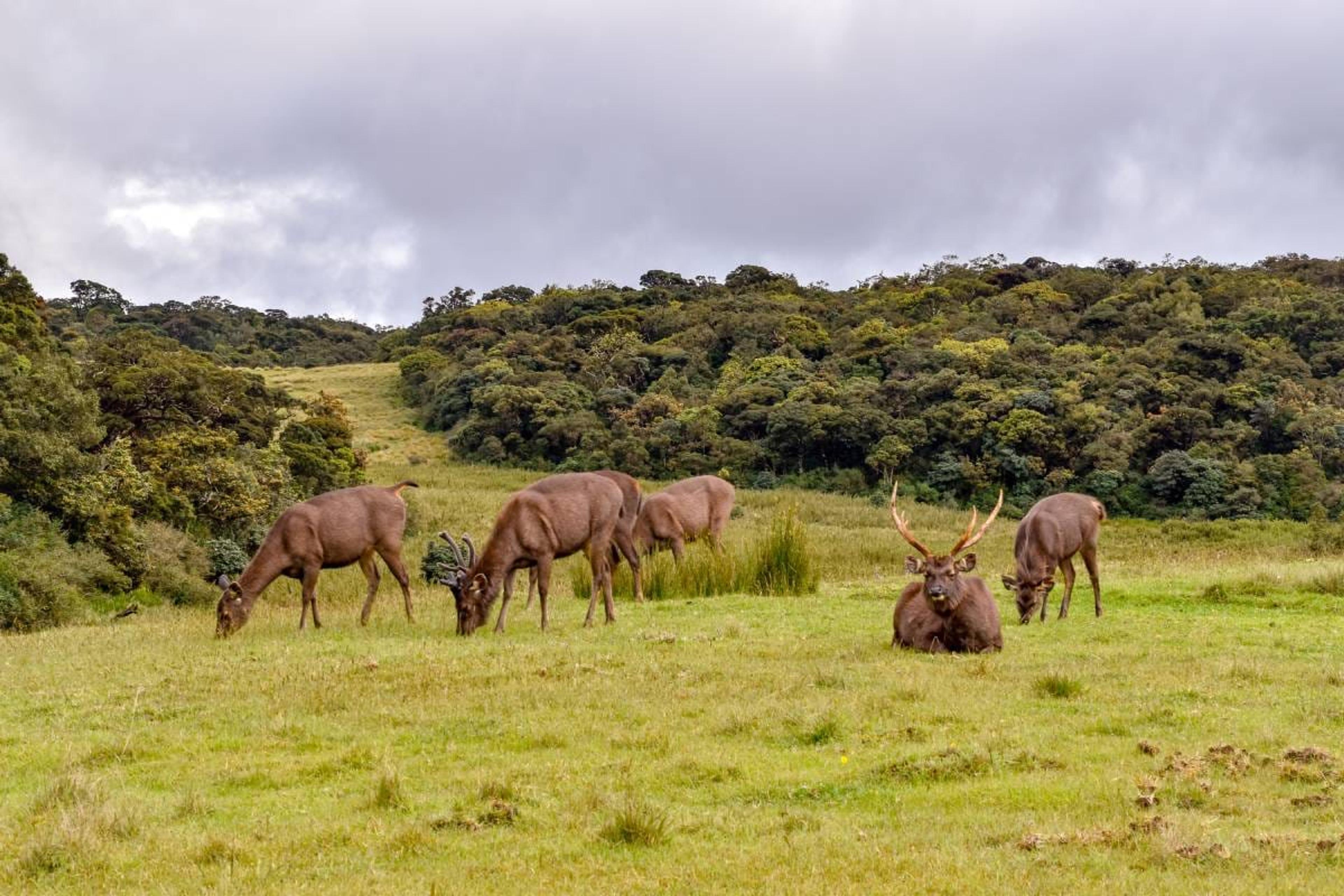
As for mammals, Hiyare has nearly 30 different species of mammals as well. So all in all, you will spot a wide variety of animals. Sure, the national parks offer more diversity, at least, when it comes to mammals. But just imagine, with 600 acres to cover, you have more chances to spot these animals better!
Biodiversity Breeding Centre

Even without human interference, Hiyare is already a biodiversity hotspot. But thanks to its unique situation, humans can use the forest’s resources to help animals better. And that is where the Centre comes in.
The Centre assists with looking after
endangered species. It also runs a successful animal rescue program. The staff provide medical attention and care to injured animals and ensures their well-being. It also offers regular classes on conserving Sri Lanka’s biodiversity. In addition, a small tropical tree farm supports the reforestation efforts of the area.
Hiyare Reservoir
Over 100 years ago, Hiyare Reservoir came into being to provide drinking water to Galle. Bordered by towering trees and grassy banks, the reservoir looks like a giant mirror lying on the ground. The still water reflecting the trees and the sky only strengthens that impression.
But despite its seemingly serene nature, the reservoir is quite deep and definitely not a place to enjoy a good swim.
How long should you spend in Hiyare?
You can cover the rainforest in less than a day. In fact, half a day is about all you would need. Since animals are more active towards the early morning or evening, it’s better to go during these hours. That leaves you to also explore another part of Galle with the remaining hours of the day!
For instance, you can head to Hiyare in the early morning and spend several hours exploring the rainforest. Then, towards the afternoon, visit the Galle Fort. There, you can grab lunch at one of the many restaurants, bistros or hotels that cater to visitors.
Walk on the ramparts of the Fort and enjoy a glimpse into Galle’s distant past and glory. The many museums within the fort offer great insights into not only the daily life of colonials but also the naval history of Galle.
Then, once the afternoon starts to fade, head to one of the many beaches in Galle. Twilight in the south is a colourful affair, especially close to a busy town like Galle.