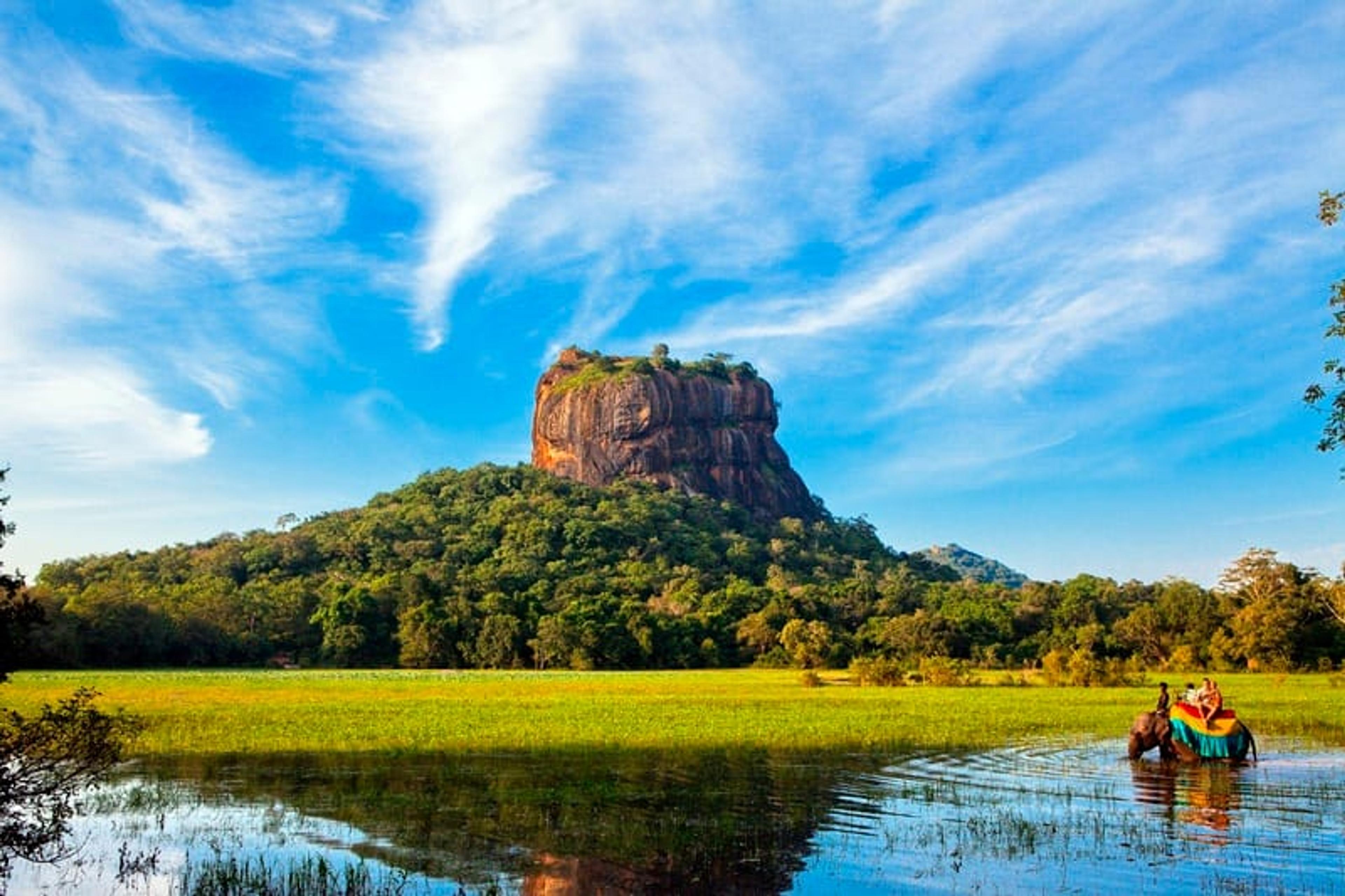
Sri Lanka is a swimmer’s dream. With over 1300 kilometres of coastline and 103 rivers, not to mention natural pools, artificial tanks, and hot springs, there are plenty of options if you want to go swimming in Sri Lanka. However, before you dive in, it’s helpful to know where it’s safest to swim and what to watch out for.

While many spots are perfect for a relaxing float or a gentle paddle, others can be deceptive beneath the surface. Here’s a clear look at the best swimming spots across the island, the hazards you should be aware of, and expert tips to help you stay safe in the water.
Top Safe Swimming Spots in Sri Lanka
Sri Lanka’s beaches are a key selling point for its tourism industry. However, while the beaches attract many visitors, the island’s rivers, lakes, streams and pools also offer immense diversions. In fact, you can come across many Sri Lankans who would fondly recall learning to swim at a local river or stream!
As such, if you are fond of swimming, Sri Lanka offers you a range of options. However, it’s also necessary to stay mindful of your safety. The following swimming spots are typically considered “safe” for swimmers, although it is, of course, wise to be careful.
Best Beaches for Calm Waters
If you’re after calm seas and soft sands, these beaches are your best bet. They tend to have more predictable tides, fewer strong currents, and in some cases, lifeguards on duty. Ideal for a relaxing float, paddling with children, or simply cooling off in the tropical heat.
Unawatuna
A family favourite on the southern coast, Unawatuna is sheltered by a coral reef that keeps the waters calm even when other nearby beaches are rough. The bay is easy to access and has a friendly atmosphere, making it one of the most swimmer-friendly spots in the country.

Mirissa
Mirissa’s main bay is calmest between December and April. Tucked between two headlands, the water here is usually smooth near the shore, and you’ll often spot sea turtles bobbing along beside you. Just be mindful during the off-season, when waves can pick up.

Nilaveli
Over on the eastern side, Nilaveli is known for its long stretch of shallow, soft-sand beach and clear, gentle waters. It’s peaceful and rarely crowded, especially between May and September. Ideal for a morning dip or floating in the sun.

Passikudah
Passikudah is famous for having one of the longest shallow coastlines in the country. You can walk far into the sea while the water remains at waist height. This makes it one of the safest spots for swimming in Sri Lanka. Moreover, it’s ideal for less confident swimmers or families with young children.

Bentota
This western beach is well-developed, but it still offers a wide, clean stretch of sea with generally manageable surf, especially near resort areas. Lifeguards are often stationed here, adding a layer of reassurance. Early mornings offer the calmest conditions.

Natural Pools and Lagoons
Sri Lanka has several inland spots that offer calm waters in more secluded surroundings. These are great for those looking for a change of scenery or a peaceful escape away from the busier beaches. You’ll often find birdlife, greenery, and still waters ideal for a gentle soak.
Kanniya Hot Springs
Situated near Trincomalee, Kanniya Hot Springs is a collection of small thermal pools where locals and visitors come to bathe. It’s not for swimming as such, but it’s an experience worth having, especially if you’re after something unique and soothing.

Kalametiya Lagoon
A quiet alternative to the beach, Kalametiya Lagoon is a calm stretch of water surrounded by wetlands. It’s perfect for a paddle or a cool dip, with next to no waves or current. The peaceful setting also makes it great for kayaking and wildlife spotting.

Rivers and Streams
Sri Lanka’s rivers and streams can be wonderfully refreshing, but they’re not all safe for swimming. In this section, we highlight a few reliable locations where you can enjoy the cool freshwater without putting yourself at unnecessary risk. Always double-check with locals before you get in.
Kukule Ganga
This river in the Kalutara district offers several calm, shallow points ideal for wading or cooling off. Locals often gather here on weekends, especially in shaded spots where the flow slows down. It’s peaceful, scenic, and a lovely break from the sea.
Diyaluma Waterfall (Upper level)
The towering Diyaluma Falls might not be swimmable directly beneath the cascade, but the pools and streams just before the main drop offer a safer place to splash about. You’ll find some small natural pools formed by the stream, perfect for a short dip if the weather’s dry.
Bambarakanda Stream
Similar to Diyaluma, the streams at the base of Sri Lanka’s tallest waterfall can be swum in with caution. These cool, clear waters are surrounded by forest and mountain views, giving you a refreshing and scenic swimming experience. Be careful of slippery rocks and sudden drops.
Hazards to Watch Out For
Swimming in Sri Lanka can be a wonderful experience, but it’s not without its risks. You’ll enjoy it more (and stay safer) when you understand the potential hazards. From unpredictable tides to seasonal shifts and marine threats, it’s best to stay informed before you head into the water.
Strong Currents and Rip Tides
Strong currents and rip tides pose a serious risk, especially if you aren’t familiar with the coastline. While swimming in Sri Lanka, you’ll often come across stunning beaches with inviting waves. However, looks can be deceiving. Many of the country’s most scenic stretches, especially along the southern and eastern coasts, can have powerful undercurrents during certain months.
Beaches such as Hikkaduwa and Arugam Bay are known for their beauty, but they’re also hotspots for rip tides, particularly outside the peak swimming season. These hidden flows can pull even strong swimmers away from the shore very quickly. If you feel yourself being dragged, don’t fight the current. Instead, swim parallel to the shore until you’re out of the pull, then make your way back in.
Always check with local guides, lifeguards (if available), or hotel staff about the day’s conditions before swimming in Sri Lanka’s open seas.
Seasonal Weather Patterns
Sri Lanka’s monsoon seasons significantly affect swimming conditions. The Southwest Monsoon typically runs from May to September, bringing rough seas to the west and south coasts. Conversely, the Northeast Monsoon, from October to January, affects the east and some parts of the north.
During these periods, waves grow stronger, currents become more unpredictable, and visibility in the water can decrease. That’s why timing is key when planning to go swimming in Sri Lanka. For safer swimming, stick to the east coast beaches like Nilaveli and Passikudah during the southwest monsoon. During the northeast monsoon, south coast beaches such as Unawatuna and Mirissa offer calmer waters.
Always consider the season before deciding where to swim, and never enter the water during a storm or heavy rain.
Marine Life and Natural Hazards
While swimming in Sri Lanka’s warm waters, you might come across marine creatures, some harmless, others best avoided. Jellyfish stings, although rare, do occur. You can reduce your chances of contact by avoiding cloudy water and steering clear of floating debris where jellyfish often gather.
Sea urchins hide in rocky areas and shallow reefs. If you step on one, it can be painful and may lead to infection. Wearing protective footwear helps prevent such injuries. Coral cuts also happen easily when swimming too close to shallow reefs. Stay clear of coral beds and never touch them.
If you plan to swim in rivers or freshwater pools, remember the risk of leptospirosis. This bacterial infection spreads in stagnant or contaminated water, especially after heavy rain. You should avoid swimming in murky or muddy rivers unless you know the area is safe.
Another lurking threat comes from crocodiles, especially in Arugam Bay. You can often see them near river banks, water spots, lagoons, as well as the beach. So be extra vigilant.
Carry a basic first aid kit, rinse any wound immediately with clean water, and seek medical advice if a sting or cut becomes inflamed.
Lack of Lifeguards and Safety Flags
Not all beaches in Sri Lanka have lifeguards or safety markers. When swimming in Sri Lanka, don’t assume every location has the same precautions you might find in other countries. Many remote or quiet beaches rely on local knowledge rather than signage or staff.
Where flags are in use, it’s essential to know what they mean:
- Red flag – Dangerous conditions. Avoid swimming.
- Yellow flag – Moderate hazard. Swim with caution.
- Green flag – Safe for swimming, but stay alert.
- Red and yellow flag – Lifeguard-patrolled area. Swim between the flags.
If you don’t see any flags, don’t take it as a green light. Ask a local or guide whether the beach is safe for swimming that day. Avoid swimming alone, especially in unfamiliar spots.
Expert Swimming Tips
When it comes to swimming in Sri Lanka, knowing the safest practices makes all the difference. The island offers a variety of beautiful locations to enjoy the water, but being well-prepared helps you avoid unnecessary risks. Use these expert tips to keep your swimming experience both enjoyable and safe.
Check Local Advice First
Before you even think about jumping in, always speak to someone local. Hotel staff, beach lifeguards, or nearby vendors usually have a good idea of current sea conditions. In Sri Lanka, the weather and tides can change quickly. Because of this, swimming in Sri Lanka without up-to-date local knowledge isn’t a wise idea.
You can also use apps or reliable websites to check tide charts and current warnings. Platforms like Windy or Magicseaweed often include live surf and wind conditions. While this information helps, never rely on apps alone. Nothing beats advice from someone on the ground.
Swim with a Buddy
Although it’s tempting to go for a peaceful solo dip, you’re far better off swimming with a friend. Many beaches offering swimming in Sri Lanka don’t have lifeguards, especially outside major tourist zones. Therefore, it’s essential to have someone nearby in case something unexpected happens.
Even if you’re confident in the water, currents and underwater obstacles can take you by surprise. Besides, swimming in Sri Lanka is more fun when shared.
Avoid Swimming After Heavy Rain
While the warm tropical rain might seem inviting, swimming in Sri Lanka after a downpour is not recommended. Rain can cause runoff from inland areas, carrying debris, dirt, and even harmful bacteria into the sea or rivers. On top of that, visibility drops sharply, and hidden hazards become harder to spot.
Wait at least a few hours (if not several days) before returning to the water. Your safety is worth the extra patience.
Keep to Designated Areas
It’s always best to swim within marked or flagged zones. These areas are typically safer, monitored, and free from strong rip currents. When you go swimming in Sri Lanka, especially along the southern and eastern coasts, you’ll notice warning flags at some beaches. Stick to areas with green flags and avoid red-flagged or unmarked zones.
Moreover, stay well clear of rocky patches, estuary mouths, and places where rivers meet the sea. These areas can have shifting currents and deep drop-offs that catch swimmers off guard.
Pack Essentials
For safe and comfortable swimming in Sri Lanka, pack smart. Start with reef-safe sunscreen, important for both your skin and the environment. Next, bring protective swimwear and water shoes, especially if you’re heading to beaches with coral or rocky seabeds.
A dry bag helps keep your phone, towel, and valuables safe while you’re in the water. It’s a small item, but it makes a big difference when you’re moving between beaches or remote swimming spots.